
Cybersecurity Essentials for SMEs: A Practical Guide to Cybersecurity Solutions for Business
Small and medium-sized enterprises are becoming increasingly dependent on digital technologies to manage daily operations, communicate with customers, store critical data, and remain competitive in rapidly evolving markets. While this digital transformation brings efficiency and growth opportunities, it also exposes businesses to cyber threats that were once considered a concern only for large enterprises. Today, attackers actively target smaller organizations because they often lack advanced defenses and structured security strategies. This reality makes cybersecurity a core business requirement rather than a technical luxury. Understanding cyber risks, adopting proven best practices, and investing in cybersecurity solutions for business help SMEs protect valuable assets, maintain customer trust, and ensure uninterrupted operations. A practical and structured approach allows organizations to strengthen defenses without overwhelming budgets or internal teams.
Why Cybersecurity Solutions for Business Are Critical for SMEs
Cybersecurity is no longer optional for SMEs operating in today’s digital environment. Every organization that uses email, cloud storage, online banking, customer databases, or digital communication tools is exposed to potential cyber risks. Security incidents can result in data theft, financial loss, operational downtime, and reputational damage that is often difficult to recover from. Unlike large enterprises, smaller businesses may struggle to survive a major breach. This is why cybersecurity solutions for business must be aligned with real operational needs and risk exposure instead of being treated as an afterthought.
Attackers frequently assume that SMEs have weaker security controls, making them attractive targets for phishing attacks, ransomware, and credential theft. Even a single compromised user account can provide hackers access to internal systems or sensitive data. When businesses begin treating cybersecurity as part of everyday operations, they significantly reduce exposure and build resilience against evolving digital threats.
Common Cyber Threats Addressed by Cybersecurity Solutions for Business
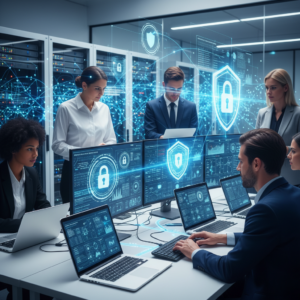
Understanding common cyber threats is the first step toward building effective protection. Phishing attacks remain one of the most widespread threats, using deceptive emails or messages to trick employees into revealing credentials or downloading malicious software. Ransomware is another major concern, encrypting business data and demanding payment for recovery. SMEs also face ongoing risks from malware, insider threats, insecure WiFi networks, and unpatched software vulnerabilities.
Cloud misconfigurations have become increasingly common as more businesses migrate systems to online platforms. Without proper access controls, sensitive information can be exposed publicly. These threats clearly demonstrate why cybersecurity solutions for business must protect endpoints, networks, cloud services, and user behavior together rather than relying on a single security tool.
Building Strong Cybersecurity Solutions for Business Strategy
Small and medium-sized enterprises face specific challenges that directly influence how they approach cybersecurity. Limited budgets often restrict access to enterprise-level security tools, while small teams may lack dedicated cybersecurity expertise. Many organizations depend on general IT staff or third-party vendors to manage systems, which can create visibility gaps if roles and responsibilities are not clearly defined.
Another challenge involves balancing security with usability. Overly complex security systems can frustrate employees and reduce productivity, encouraging risky workarounds. A practical approach focuses on cybersecurity solutions for business that are simple to manage, scalable, and aligned with everyday workflows. The goal is protection that supports business growth rather than slowing it down.
Cybersecurity Solutions for Business and Data Protection Compliance
A strong cybersecurity foundation begins with basic security hygiene. This includes keeping operating systems, applications, and devices fully updated to close known vulnerabilities. Implementing strong password policies and enabling multi-factor authentication significantly reduce the risk of unauthorized access. Firewalls and antivirus software provide essential baseline protection against external threats.
Network segmentation also plays an important role in limiting damage during a breach. Separating critical systems from general user networks reduces the potential impact of attacks. These foundational controls form the core of cybersecurity solutions for business and create a stable platform for adopting more advanced security measures as organizations grow.
Managed Cybersecurity Solutions for Business for SMEs
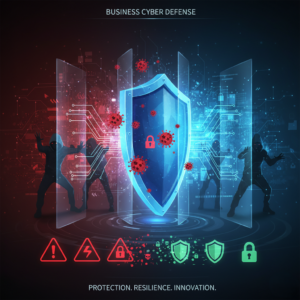
Not all data and systems carry the same level of risk. SMEs should identify which assets are most critical to business operations, such as customer information, financial records, or proprietary data. Conducting a structured risk assessment helps organizations prioritize security efforts where they matter most.
This process includes identifying potential threats, evaluating system vulnerabilities, and estimating the impact of a security incident. By focusing resources on high-risk areas, businesses avoid unnecessary spending while still achieving meaningful protection. Risk-based planning ensures cybersecurity solutions for business remain practical, cost-effective, and aligned with strategic objectives.
Cost-Effective Cybersecurity Solutions for Business Growth
Infrastructure security is a critical pillar of effective cybersecurity. Servers, networks, and cloud environments must be securely configured from the beginning. This includes disabling unnecessary services, enforcing strict access controls, and continuously monitoring activity for unusual behavior. Secure configurations reduce the attack surface and limit opportunities for exploitation.
Cloud-based infrastructure requires additional focus on identity management, encryption, and regular security audits. Well-designed cybersecurity solutions for business integrate infrastructure security with endpoint protection and user controls, creating a unified and resilient defense strategy.
Future-Ready Cybersecurity Solutions for Business Sustainability
Endpoints such as laptops, desktops, and mobile devices are among the most common entry points for cyberattacks. SMEs should deploy endpoint protection platforms that provide antivirus, anti-malware, and behavior monitoring capabilities. Device encryption ensures data remains protected if hardware is lost or stolen, while remote wipe features allow administrators to remove sensitive information when required.
Bring-your-own-device policies must include clear security guidelines to ensure personal devices meet company standards. Centralized endpoint management improves visibility and simplifies enforcement. Strong endpoint protection remains a vital element of cybersecurity solutions for business, particularly in remote and hybrid work environments.
Employee Awareness and Training
Human error remains one of the leading causes of cybersecurity incidents in small and medium-sized enterprises. Even with advanced tools in place, a single careless action can compromise entire systems. Employees who understand common cyber threats are far less likely to fall victim to attacks. Regular awareness programs help staff recognize phishing attempts, create strong passwords, and follow secure data handling practices.
Training initiatives do not need to be complex or expensive to be effective. Short, consistent awareness sessions combined with simulated phishing exercises reinforce secure behavior over time. When employees actively participate in protecting systems, cybersecurity solutions for business become more effective, sustainable, and deeply integrated into daily operations.
Data Protection and Backup Strategies
Protecting business data requires both prevention and recovery planning. Encryption safeguards sensitive information during storage and transmission, reducing the impact of unauthorized access. Proper access controls ensure that only authorized users can view or modify critical data, minimizing internal risks.
Reliable backup strategies are equally essential. Regular automated backups stored securely offsite or in cloud environments ensure data can be restored after ransomware attacks, system failures, or accidental deletions. Periodic testing of recovery procedures confirms that backups function correctly when needed. Strong data protection and backup planning remain foundational elements of cybersecurity solutions for business and long-term operational resilience.
Incident Response and Business Continuity
No cybersecurity strategy is complete without a clear incident response plan. SMEs must define procedures for detecting, reporting, and responding to security events efficiently. Knowing who to contact, which systems to isolate, and how to communicate during incidents reduces confusion and limits damage.
Business continuity planning ensures that critical operations can continue during disruptions. This may include backup systems, alternative communication channels, and remote access solutions. Organizations that prepare in advance recover faster, minimize downtime, and preserve customer confidence, demonstrating the real value of proactive cybersecurity solutions for business.
Choosing the Right Tools and Partners
Selecting the right security tools is critical for building effective protection. SMEs should prioritize solutions that are scalable, easy to manage, and supported by reliable vendors. Integrated platforms that combine multiple security functions often provide better visibility and efficiency than isolated tools.
External partners such as managed security service providers offer expertise and continuous monitoring capabilities that many SMEs lack internally. Outsourcing certain functions allows businesses to access advanced cybersecurity solutions for business without heavy capital investment, while still maintaining strategic control over security priorities.
Compliance and Regulatory Considerations
Many industries operate under strict data protection and privacy regulations. Compliance requirements may include securing personal data, maintaining audit logs, and reporting breaches within defined timeframes. Failure to meet these obligations can result in financial penalties and reputational damage.
Understanding applicable regulations and aligning cybersecurity practices accordingly reduces legal risks. Well-documented policies, security controls, and regular compliance reviews demonstrate accountability. Compliance-focused cybersecurity solutions for business strengthen trust with customers, partners, and regulators alike.
Measuring Effectiveness and Continuous Improvement
Cybersecurity is an ongoing process rather than a one-time implementation. Regular evaluations help determine whether security controls remain effective as threats and technologies evolve. Monitoring key metrics such as incident frequency, response times, and user behavior provides insight into overall security maturity.
Feedback from audits, incidents, and employees supports continuous improvement. Incremental upgrades and policy refinements keep defenses aligned with business growth. Continuous improvement ensures cybersecurity solutions for business remain relevant, adaptable, and resilient over time.
Scaling Growth Securely with Cybersecurity Solutions for Business
As SMEs expand, their cybersecurity requirements become more complex. New users, additional devices, remote offices, and digital services increase exposure to risk. Scalable security architectures allow organizations to grow without compromising protection. Cloud-based tools, centralized dashboards, and automated controls support expansion while maintaining visibility and control.
Planning for scalability from the beginning reduces future disruptions and costs. Businesses that integrate cybersecurity solutions for business into their growth strategies protect innovation, maintain operational agility, and remain competitive in dynamic markets.

Future Trends in SME Cybersecurity
Emerging technologies such as artificial intelligence and automation are reshaping cybersecurity practices. These tools improve threat detection and response speed, enabling SMEs to counter increasingly sophisticated attacks. Zero trust models, which verify every access request regardless of location, are gaining adoption as remote work becomes permanent.
At the same time, regulatory requirements continue to evolve, increasing the need for structured and well-documented security programs. Staying informed about these trends allows organizations to adapt proactively. Forward-looking cybersecurity solutions for business position SMEs to handle future challenges with confidence and preparedness.
Integrating Cybersecurity into Business Operations
Cybersecurity should never exist as a separate technical function disconnected from daily business activities. For SMEs, integrating cybersecurity solutions for business into core operations ensures long-term protection, operational efficiency, and regulatory compliance. When cybersecurity becomes part of routine workflows, employees naturally follow safer practices without slowing productivity.
One effective approach is embedding security checks into existing processes such as onboarding, procurement, and system updates. For example, when a new employee joins, access permissions should be defined based on job roles rather than granting broad system access. This minimizes internal risks and reduces the impact of potential insider threats.
Vendor and third-party management is another critical area. Many cyber incidents originate from compromised suppliers. SMEs should evaluate vendors based on their security practices, data handling policies, and compliance standards. Strong cybersecurity solutions for business include third-party risk assessments and continuous monitoring of external access points.
Operational cybersecurity also includes secure configuration management. Systems should be regularly reviewed to ensure unnecessary services are disabled, default credentials are removed, and access logs are actively monitored. These measures reduce vulnerabilities without requiring major infrastructure changes.
Cybersecurity Awareness as a Leadership Responsibility
Cybersecurity success in SMEs depends heavily on leadership involvement. When owners and senior managers actively support cybersecurity initiatives, employees take them more seriously. Leadership must recognize cybersecurity solutions for business as a strategic investment rather than an operational cost.
Executives should participate in cybersecurity planning, approve budgets for security tools, and lead by example in following security protocols. Simple actions such as using strong passwords, enabling multi-factor authentication, and completing security training demonstrate commitment across the organization.
Leadership involvement also improves decision-making during incidents. A clear chain of command ensures faster response times and reduces confusion during cyber events. SMEs that empower leadership with cybersecurity knowledge recover more quickly from attacks and maintain customer trust.
Additionally, leadership should promote a culture where employees feel comfortable reporting suspicious activity. Early reporting can prevent minor incidents from becoming major breaches. Cybersecurity solutions for business thrive in environments where transparency and accountability are encouraged.
Managing Cybersecurity Risks in Hybrid Work Environments
Hybrid and remote work models have expanded the attack surface for SMEs. Employees accessing company systems from home networks, personal devices, and public Wi-Fi increase exposure to cyber threats. Addressing these risks requires tailored cybersecurity solutions for business that support flexible work environments.
Secure remote access tools such as virtual private networks and endpoint protection platforms are essential. These tools encrypt data transmissions and prevent unauthorized access to internal systems. SMEs should also implement device security policies that require regular updates, antivirus protection, and screen locking.
Cloud-based identity management systems help control access across locations. By using centralized authentication and role-based permissions, SMEs can ensure employees only access resources necessary for their tasks. This limits damage if credentials are compromised.
Remote work cybersecurity also depends on employee awareness. Staff must understand risks related to phishing emails, fake collaboration links, and unsecured networks. Consistent training combined with technical safeguards strengthens overall protection.
Aligning Cybersecurity with Business Growth
As SMEs scale, their cybersecurity needs evolve. New locations, systems, customers, and data types introduce additional risks. Cybersecurity solutions for business must be scalable and adaptable to support growth without disrupting operations.
Growth-focused cybersecurity planning includes regular risk assessments to identify emerging threats. SMEs should evaluate how expansion affects data storage, access control, and regulatory obligations. Proactive planning prevents security gaps during rapid growth phases.
Automation plays a key role in scalable cybersecurity. Automated monitoring, threat detection, and incident response reduce reliance on manual processes. This allows SMEs to maintain strong security even with limited IT staff.
Investing in flexible cybersecurity frameworks also improves long-term resilience. Cloud-based security platforms, modular tools, and managed services can be adjusted as business needs change. Cybersecurity solutions for business that grow alongside the organization protect both innovation and reputation.
Measuring the Effectiveness of Cybersecurity Strategies
To ensure continuous improvement, SMEs must measure the performance of their cybersecurity initiatives. Tracking metrics helps identify weaknesses, justify investments, and demonstrate progress. Effective cybersecurity solutions for business include measurable goals and regular performance reviews.
Common metrics include incident response time, number of detected threats, employee training completion rates, and system vulnerability levels. These indicators provide insight into both technical and human factors influencing security.
Regular audits and assessments further validate cybersecurity effectiveness. Internal reviews and external evaluations identify compliance gaps and improvement opportunities. SMEs that conduct routine assessments reduce long-term risks and enhance operational stability.
Feedback from employees also contributes valuable insights. Understanding where staff struggle with security procedures allows SMEs to simplify processes without compromising protection. Continuous refinement ensures cybersecurity remains practical and effective.
Strengthening Customer Trust Through Cybersecurity
Customer trust is directly linked to how businesses protect data. SMEs that prioritize cybersecurity solutions for business demonstrate professionalism and reliability. Secure systems reassure clients that sensitive information is handled responsibly.
Transparency plays a key role in trust building. Clearly communicating data protection measures, privacy policies, and security commitments enhances credibility. Customers increasingly choose partners that prioritize cybersecurity as part of ethical business practices.
In the event of an incident, timely communication is essential. SMEs with established response plans can address issues openly while minimizing reputational damage. Strong cybersecurity solutions for business enable faster recovery and preserve customer relationships.
Over time, consistent cybersecurity performance becomes a competitive advantage. SMEs known for secure operations attract more clients, partners, and investors, supporting sustainable growth.
Incident Response Planning for Small and Medium Enterprises
No organization is completely immune to cyber threats, which is why incident response planning is a critical component of cybersecurity solutions for business. SMEs that prepare in advance can significantly reduce the financial, operational, and reputational damage caused by cyber incidents.
An effective incident response plan outlines clear steps to identify, contain, eradicate, and recover from security breaches. This includes defining roles and responsibilities so employees know exactly what to do during an incident. Clear procedures prevent panic, confusion, and delays that often worsen cyberattacks.
Early detection is a key element of incident response. Continuous monitoring systems help identify unusual activity such as unauthorized access attempts or abnormal data transfers. Cybersecurity solutions for business that include real-time alerts enable faster containment before threats spread across systems.
Post-incident analysis is equally important. SMEs should review incidents to understand root causes and improve defenses. Lessons learned from attacks help refine policies, strengthen controls, and prevent similar incidents in the future.
Regulatory Compliance and Data Protection Obligations
Compliance with data protection regulations is becoming increasingly important for SMEs. Many businesses underestimate regulatory risks, but non-compliance can result in fines, legal action, and loss of customer trust. Cybersecurity solutions for business must align with relevant local and international data protection laws.
SMEs handling customer data must implement safeguards such as encryption, access controls, and secure storage. Compliance requirements often include maintaining accurate records, reporting breaches promptly, and ensuring data is only used for authorized purposes.
Regular compliance assessments help SMEs stay aligned with evolving regulations. Cybersecurity audits identify gaps between current practices and regulatory requirements. Addressing these gaps proactively reduces legal risks and strengthens overall security posture.
Employee training also supports compliance. Staff should understand data handling responsibilities, privacy obligations, and reporting procedures. Cybersecurity solutions for business that combine technical controls with compliance awareness ensure consistent adherence to regulations.
Securing Digital Assets and Intellectual Property
Digital assets and intellectual property are valuable resources for SMEs. These include proprietary software, designs, client databases, financial records, and strategic documents. Protecting these assets is a core objective of cybersecurity solutions for business.
Access control is fundamental to intellectual property protection. SMEs should limit access to sensitive data based on roles and responsibilities. This reduces exposure and prevents accidental or intentional misuse of critical information.
Data classification helps identify which assets require higher levels of protection. By categorizing information based on sensitivity, SMEs can apply appropriate security measures such as encryption, monitoring, and backup strategies.
Regular backups are essential for asset protection. Secure and tested backup systems ensure data can be restored quickly after cyber incidents, hardware failures, or accidental deletion. Cybersecurity solutions for business that include robust backup practices support continuity and resilience.
Leveraging Managed Security Services for SMEs
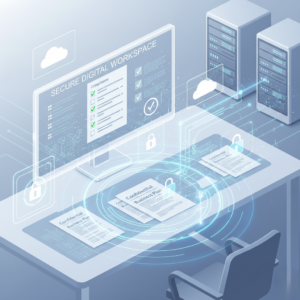
Many SMEs lack the internal resources to manage cybersecurity effectively. Managed security services offer a practical solution by providing expert support without the cost of maintaining a full in-house security team. These services enhance cybersecurity solutions for business through specialized expertise and continuous monitoring.
Managed security providers offer services such as threat detection, vulnerability management, incident response, and compliance support. Their experience across multiple industries enables faster identification of emerging threats and effective mitigation strategies.
Outsourcing cybersecurity also improves consistency. Managed services operate around the clock, ensuring protection beyond standard business hours. This is particularly valuable for SMEs that operate with limited staff or across different time zones.
Selecting the right provider is crucial. SMEs should evaluate service offerings, response times, transparency, and alignment with business objectives. Well-chosen managed cybersecurity solutions for business improve security posture while allowing SMEs to focus on growth.
Cybersecurity Budgeting and Cost Optimization
Budget constraints often limit cybersecurity investments for SMEs. However, strategic budgeting ensures effective protection without unnecessary expenses. Cybersecurity solutions for business should focus on risk-based prioritization rather than one-size-fits-all spending.
Risk assessments help identify the most critical assets and threats. SMEs can allocate budgets to protect high-risk areas first, ensuring maximum impact from limited resources. This approach avoids overspending on low-priority controls.
Cost-effective cybersecurity tools such as cloud-based security platforms and subscription models reduce upfront expenses. These solutions provide scalable protection that adapts to changing business needs.
Regular budget reviews help optimize spending. Evaluating tool effectiveness and eliminating redundant solutions ensures cybersecurity investments deliver real value. Well-managed cybersecurity solutions for business balance affordability with strong protection.
Continuous Improvement in Cybersecurity Practices
Cybersecurity is an ongoing process rather than a one-time project. Threats evolve constantly, requiring SMEs to continuously improve their defenses. Cybersecurity solutions for business must be reviewed, updated, and refined regularly.
Continuous improvement includes updating policies, upgrading tools, and enhancing training programs. Regular testing such as penetration testing and simulated phishing exercises helps identify weaknesses before attackers exploit them.
Staying informed about emerging threats is essential. SMEs should monitor industry updates, threat intelligence reports, and regulatory changes. Awareness enables proactive adjustments to security strategies.
By adopting a mindset of continuous improvement, SMEs strengthen long-term resilience. Cybersecurity solutions for business that evolve with threats protect operations, reputation, and customer trust over time.
Conclusion
Cybersecurity is no longer an optional investment for small and medium enterprises; it is a fundamental requirement for sustainable growth and operational stability. As digital adoption accelerates, SMEs face an expanding threat landscape that targets vulnerabilities in systems, processes, and human behavior. Addressing these risks requires a structured, proactive, and well-integrated approach to cybersecurity.
By implementing strong policies, securing networks and endpoints, training employees, and adopting advanced monitoring and response mechanisms, businesses can significantly reduce their exposure to cyber threats. The use of well-planned cybersecurity solutions for business enables SMEs to protect sensitive data, maintain compliance, safeguard intellectual property, and ensure business continuity even in the face of evolving cyber risks.
Cybersecurity should be viewed as an ongoing process rather than a one-time initiative. Continuous improvement, regular assessments, and adaptive strategies allow businesses to stay resilient against emerging threats. When aligned with business objectives and supported by the right expertise, cybersecurity solutions for business become a strategic asset that strengthens trust, supports innovation, and enables long-term success in an increasingly digital world.